A huge bone callus can look like a stress fracture has healed, but sometimes it signals too much motion – or
leaves a runner with a new problem even after the fracture is stable. Learn why too much healing can become
a problem.

The “Rubber Band Sign” may be one of the earliest warning signs of an Achilles injury or stress fracture. Learn what runners should do when they notice this unusual sensation.
View Details »
The first seven days after a metatarsal fracture may determine how quickly you heal. Learn why this early healing phase is so important for runners.
View Details »
Testing your stress fracture every day might actually be delaying your recovery. Learn why repeated pain-testing can keep you above your healing threshold—and what to do instead to get back to running faster.
View Details »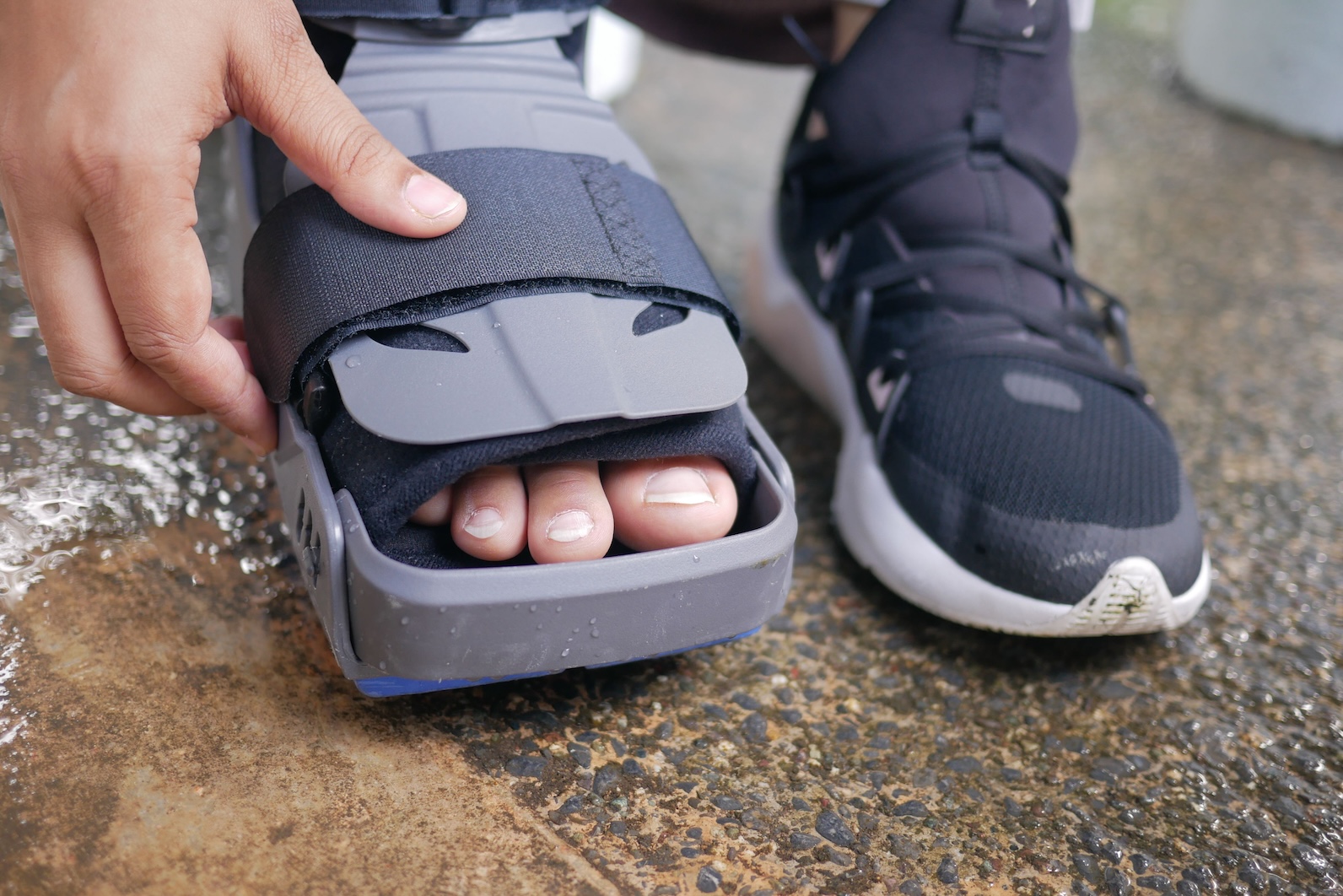
If you have a stress fracture but still want to run your race, this episode explains the four real options runners use and how to minimize risk while still reaching the finish line.
View Details »
Learn when it is safe to start loading a stress fracture, how to find the “Goldilocks zone” of bone
stress, and how runners can return to activity without causing a setback.

If you have a stress fracture and your doctor starts talking about X-ray grading systems, you may think that grading is the key to deciding whether you can run, cross-train, or still make it to your race.
But for runners, X-ray grading is often not the most useful thing at all.
In this episode, Dr. Christopher Segler explains the two things that matter more than X-ray grading of a stress fracture:
Your goal, and the true severity of the injury.
He explains why most imaging reports do not actually answer the practical questions runners care about most, like whether they can maintain fitness, how aggressive they need to be, and whether they can still complete a goal race. He also explains why tracking measurable symptoms is far more useful than vague descriptions or medical jargon.
Transcript_1022_What_is_More_Us…
In this episode, you’ll learn:
Why X-ray grading often does not help runners make real training decisions
How your race goal changes your treatment strategy
Why injury severity determines what you can still do safely
Which symptom details are actually useful to track
Why measurable numbers help you return to running faster
If you want a more practical way to think about stress fractures as a runner, this episode will help.

If you feel a stress reaction starting, the next few hours and days matter. In this episode, Doc On The
Run explains three critical first■aid steps runners should take immediately to calm the injury, protect
the bone, and avoid turning a stress reaction into a stress fracture.

If you’re training for a marathon and develop a metatarsal stress fracture, you may not need a long
list of restrictions. In this episode, we discuss the two critical questions that determine whether you
can maintain fitness and potentially compete without making the stress fracture worse.

Today on the Doc On The Run podcast, we are talking about when a metatarsal stress reaction show up on medical imaging, like X-rays, MRI, CT and Ultrasound. Episode #1017: When Does a Metatarsal Stress Reaction Show Up on Imaging? Show Notes: When does a metatarsal stress reaction start to show up on medical imaging? […]
View Details »